Agentic use case
Where Payments API becomes governed execution.
Finance needs to reconcile bank, ledger and transaction records faster.
What makes it harder in the real world: Reconciliation touches financial controls, auditability, thresholds, reason codes, journal proposals, segregation of duties and evidence requirements. Speed without control can create material risk.
What Advanze changes: Use agents to gather statements, ledger extracts, rules and prior exceptions, then propose safe matches and route unresolved items for review without posting journals automatically.
Data Preparation AgentPulls statements, ledger extracts and transaction files for the same period.
Matching AgentApplies safe matching rules for exact matches, known offsets, reversals, duplicates and timing differences.
Finance Policy AgentChecks thresholds, reason codes, account mappings and approval requirements.
Exception AgentGroups unresolved items, proposes likely causes and drafts follow-up notes.
Human Finance ReviewerApproves exceptions, journal templates and material decisions.
ChallengeReconciliation touches financial controls, auditability, thresholds, reason codes, journal proposals, segregation of duties and evidence requirements. Speed without control can create material risk.
OrchestrationUse agents to gather statements, ledger extracts, rules and prior exceptions, then propose safe matches and route unresolved items for review without posting journals automatically.
SuccessUse agents to gather statements, ledger extracts, rules and prior exceptions, then propose safe matches and route unresolved items for review without posting journals automatically.
Why AI execution needs architecture
The work needs context, controls and clear permissions before automation can safely act.
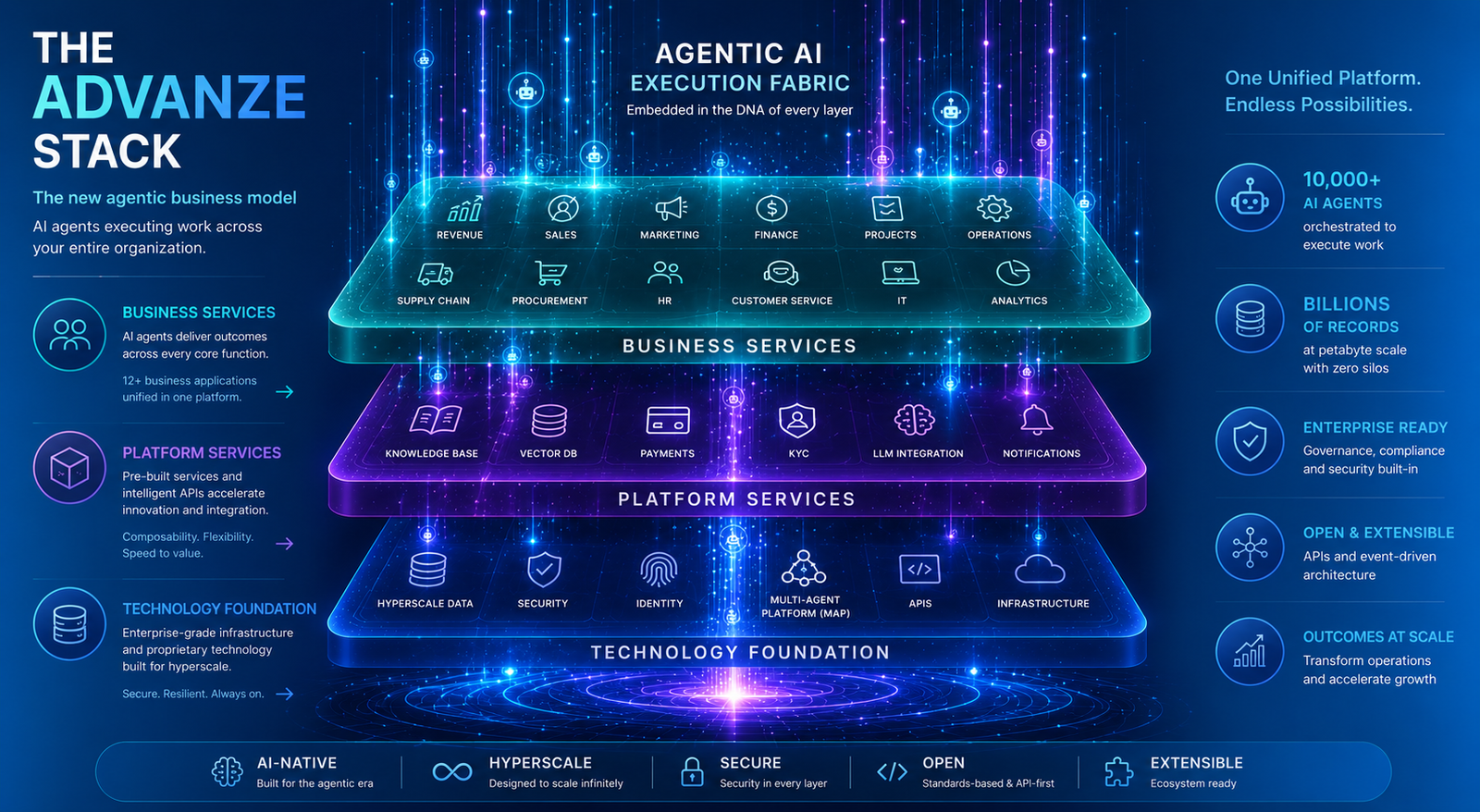
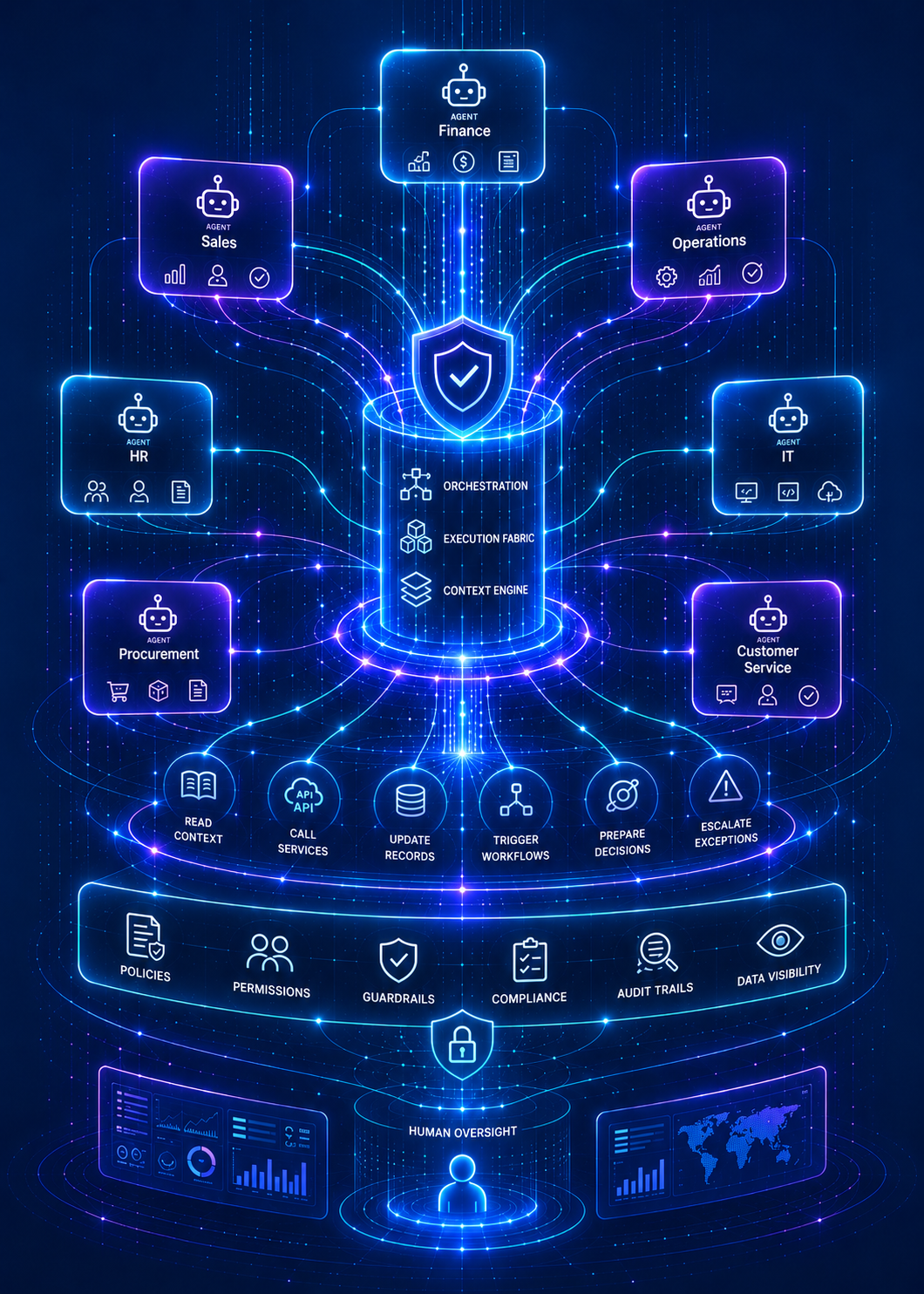
That is why the Advanze control model matters: identity, permissions, policies, workflow, audit evidence and human judgement are embedded into execution before agents act.
- Reconciliation touches financial controls, auditability, thresholds, reason codes, journal proposals, segregation of duties and evidence requirements. Speed without control can create material risk.
- The right agent must receive the right context, tools, permissions and approval path before work moves forward.
- Audit evidence, exception handling and human judgement need to be part of the workflow, not notes added after the fact.